कुंभ मेला क्या है? – इतिहास और महत्व
कुंभ मेला भारत का सबसे बड़ा और पवित्र धार्मिक आयोजन है। यदि आप जानना चाहते हैं कुंभ मेला क्या है, तो यह एक भव्य आध्यात्मिक उत्सव है, जहाँ करोड़ों श्रद्धालु, संत, महात्मा और पर्यटक पवित्र नदियों में स्नान करने के लिए एकत्र होते हैं। यह केवल एक मेला नहीं, बल्कि आस्था, आध्यात्मिकता और संस्कृति का अद्भुत संगम है।
सरल शब्दों में, कुंभ मेला वह समय होता है जब लोग इस विश्वास के साथ एकत्र होते हैं कि पवित्र नदियों में स्नान करने से उनके पाप धुल जाते हैं और उन्हें मानसिक शांति तथा आध्यात्मिक उन्नति प्राप्त होती है। इस दौरान पूरे वातावरण में भक्ति, पूजा, अनुष्ठान और आध्यात्मिक ऊर्जा का विशेष अनुभव होता है।
यह आयोजन चार प्रमुख स्थानों—प्रयागराज, हरिद्वार, उज्जैन और नासिक—में आयोजित होता है। इन सभी स्थानों का संबंध पवित्र नदियों से है और इनका धार्मिक महत्व अत्यधिक है।
इनमें से नासिक कुंभ मेला विशेष रूप से महत्वपूर्ण माना जाता है, क्योंकि यह गोदावरी नदी के तट पर आयोजित होता है। आने वाला नासिक कुंभ मेला 2027 अभी से श्रद्धालुओं और यात्रियों के बीच आकर्षण का केंद्र बना हुआ है, क्योंकि यह हर 12 वर्ष में एक बार आयोजित होने वाला विशेष आयोजन है।
कुंभ मेला केवल धार्मिक अनुष्ठानों तक सीमित नहीं है, बल्कि यह भारत की समृद्ध संस्कृति, संतों के दर्शन और लाखों लोगों के साथ एकता का अनुभव करने का अवसर भी प्रदान करता है।
कुंभ मेले का इतिहास
महाकुंभ मेले का इतिहास प्राचीन हिंदू पौराणिक कथाओं से जुड़ा हुआ है। कुंभ मेले की उत्पत्ति समुद्र मंथन की प्रसिद्ध कथा से मानी जाती है।
कथा के अनुसार, देवताओं और असुरों ने अमृत प्राप्त करने के लिए समुद्र मंथन किया। जब अमृत कलश निकला, तो उसे पाने के लिए दोनों के बीच संघर्ष हुआ। इस संघर्ष के दौरान अमृत की कुछ बूंदें पृथ्वी पर चार स्थानों—प्रयागराज, हरिद्वार, उज्जैन और नासिक—पर गिरीं।
यही चार स्थान बाद में कुंभ मेले के प्रमुख केंद्र बने। यही कहानी हमें सरल तरीके से महाकुंभ मेले का इतिहास समझाती है।
पौराणिक कथा के अलावा, महाकुंभ मेले का इतिहास प्राचीन ग्रंथों और विदेशी यात्रियों के वर्णनों में भी मिलता है, जिससे यह स्पष्ट होता है कि यह परंपरा सैकड़ों वर्षों से चली आ रही है और आज भी उतनी ही महत्वपूर्ण है।
कुंभ मेले के प्रकार
कुंभ मेला समय और ज्योतिषीय गणनाओं के आधार पर अलग-अलग रूपों में आयोजित किया जाता है। इसके चार मुख्य प्रकार होते हैं, और हर एक का अपना अलग महत्व और स्वरूप है।
1. पूर्ण कुंभ मेला
पूर्ण कुंभ मेला हर 12 वर्ष में एक बार चार पवित्र स्थानों में से किसी एक पर आयोजित होता है। यह एक बहुत बड़ा धार्मिक आयोजन होता है, जिसमें लाखों-करोड़ों श्रद्धालु पवित्र नदी में स्नान करने और धार्मिक अनुष्ठानों में भाग लेने आते हैं।
2. अर्ध कुंभ मेला
अर्ध कुंभ मेला हर 6 वर्ष में आयोजित होता है, मुख्य रूप से प्रयागराज और हरिद्वार में। यह पूर्ण कुंभ मेले से थोड़ा छोटा होता है, लेकिन इसमें भी बड़ी संख्या में श्रद्धालु शामिल होते हैं।
3. महाकुंभ मेला
महाकुंभ मेला कुंभ मेले का सबसे पवित्र और भव्य रूप है, जो हर 144 वर्ष में प्रयागराज में आयोजित होता है। इसमें दुनिया भर से सबसे अधिक श्रद्धालु आते हैं, इसलिए इसे सबसे महत्वपूर्ण माना जाता है। इसी कारण महाकुंभ मेले का इतिहास भी विशेष महत्व रखता है।
4. माघ मेला
माघ मेला हर वर्ष प्रयागराज में आयोजित होता है। यह कुंभ मेले का छोटा रूप माना जाता है, लेकिन उन श्रद्धालुओं के लिए बहुत महत्वपूर्ण है जो नियमित रूप से स्नान और आध्यात्मिक साधना के लिए आते हैं।
सरल शब्दों में, सभी प्रकार के कुंभ मेले अपने-अपने स्थान पर महत्वपूर्ण हैं, लेकिन अपनी विशालता, दुर्लभता और गहरी आध्यात्मिक महत्ता के कारण महाकुंभ मेला सबसे अधिक महत्वपूर्ण माना जाता है।
कुंभ मेले का महत्व
कुंभ मेले का महत्व केवल धार्मिक ही नहीं, बल्कि आध्यात्मिक, सांस्कृतिक और सामाजिक भी है। यह एक ऐसा अनोखा आयोजन है, जहाँ लाखों-करोड़ों लोग एक ही विश्वास और उद्देश्य के साथ एकत्र होते हैं।
1. आध्यात्मिक शुद्धि और मोक्ष
कुंभ मेले में आने का सबसे बड़ा कारण पवित्र नदियों में स्नान करना होता है। यह माना जाता है कि इस स्नान से व्यक्ति के पाप धुल जाते हैं और उसे मोक्ष (मुक्ति) के करीब पहुँचने का अवसर मिलता है। यह विश्वास महाकुंभ मेले के इतिहास और परंपराओं से गहराई से जुड़ा हुआ है।
2. धार्मिक आस्था और श्रद्धा
कुंभ मेला आस्था का एक मजबूत प्रतीक है। यहाँ देशभर से संत, साधु, अखाड़े और श्रद्धालु एकत्र होकर पूजा, अनुष्ठान और साधना करते हैं। पूरे वातावरण में भक्ति और सकारात्मक ऊर्जा का अनुभव होता है।
3. सांस्कृतिक विरासत
कुंभ मेला भारत की समृद्ध संस्कृति और परंपराओं को दर्शाता है। अलग-अलग राज्यों, भाषाओं और पृष्ठभूमि के लोग यहाँ एक साथ आते हैं, जो भारत की विविधता में एकता को दिखाता है।
4. ज्ञान और आध्यात्मिक शिक्षा
कुंभ मेले के दौरान कई संत और आध्यात्मिक गुरु प्रवचन देते हैं। इससे लोगों को धर्म, जीवन और आध्यात्मिकता के बारे में सरल और गहराई से समझने का अवसर मिलता है।
5. सामाजिक एकता
कुंभ मेला समाज में समानता और एकता को बढ़ावा देता है। यहाँ सभी लोग—चाहे उनकी जाति, धर्म या क्षेत्र कुछ भी हो—एक साथ भाग लेते हैं। यही इसे “एकता में विविधता” का सबसे बड़ा उदाहरण बनाता है।
शाही स्नान का महत्व
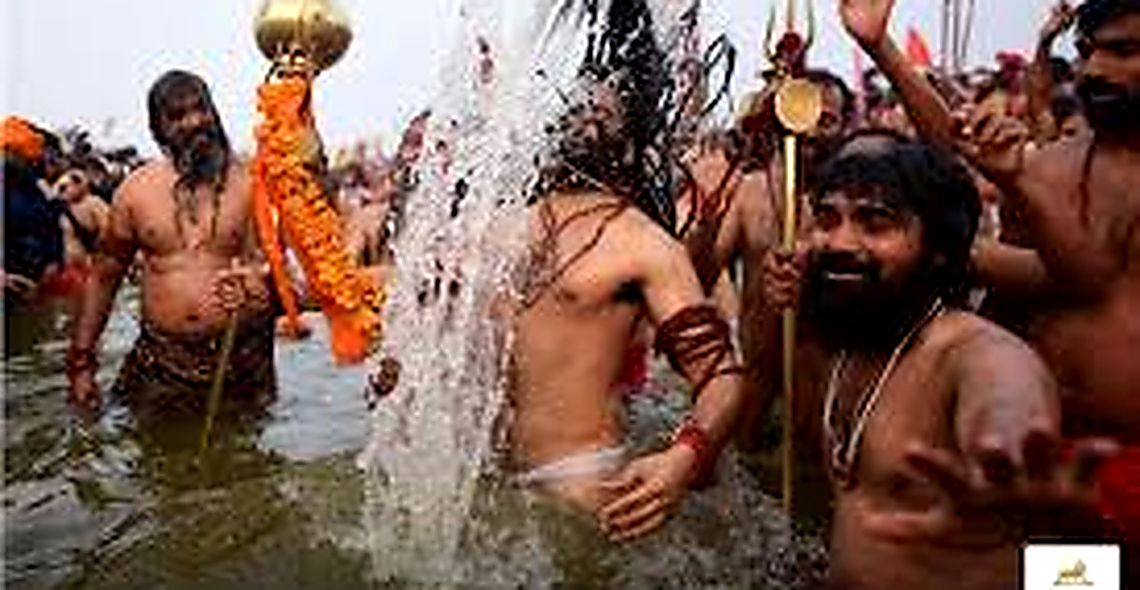
शाही स्नान कुंभ मेले का सबसे महत्वपूर्ण और विशेष अनुष्ठान होता है। इस दिन संत, साधु और विभिन्न अखाड़ों के लोग भव्य शोभायात्रा के साथ पवित्र नदी की ओर स्नान करने के लिए जाते हैं। इस शोभायात्रा में पारंपरिक ध्वज, जयकारे और आध्यात्मिक ऊर्जा का अद्भुत संगम देखने को मिलता है, जो इसे एक दिव्य अनुभव बनाता है।
ऐसा माना जाता है कि शाही स्नान के दिन पवित्र नदी में स्नान करना बहुत शुभ होता है और इससे सामान्य दिनों की तुलना में अधिक आध्यात्मिक लाभ मिलता है। यही कारण है कि लाखों श्रद्धालु इन विशेष तिथियों का बेसब्री से इंतजार करते हैं।
नासिक कुंभ मेला के दौरान शाही स्नान का महत्व और भी बढ़ जाता है, जहाँ गोदावरी नदी के तट पर विशाल भीड़ एकत्र होती है। इस दौरान का वातावरण भक्ति, ऊर्जा और श्रद्धा से भरा होता है, जो इसे कुंभ मेले का सबसे आकर्षक और महत्वपूर्ण हिस्सा बनाता है।
कुंभ मेले का आधुनिक महत्व
आज के समय में कुंभ मेला केवल एक धार्मिक आयोजन नहीं रहा, बल्कि यह एक वैश्विक पहचान बन चुका है। दुनिया भर से लाखों लोग इस अद्भुत आध्यात्मिक अनुभव का हिस्सा बनने के लिए भारत आते हैं।
नासिक कुंभ मेला 2027 जैसे आयोजन न केवल आस्था और श्रद्धा के लिए महत्वपूर्ण हैं, बल्कि पर्यटन और अर्थव्यवस्था के लिए भी बहुत बड़ा योगदान देते हैं। इस दौरान सरकार और स्थानीय प्रशासन द्वारा बड़े स्तर पर व्यवस्थाएँ की जाती हैं, जैसे—आधारभूत सुविधाएँ, सुरक्षा, आवास और यातायात की बेहतर व्यवस्था।
कुंभ मेला भारत की सांस्कृतिक शक्ति, परंपराओं और आध्यात्मिक धरोहर को पूरे विश्व के सामने प्रस्तुत करता है। यह विभिन्न देशों, संस्कृतियों और पृष्ठभूमियों के लोगों को एक साथ लाकर एकता और सार्वभौमिक आस्था का संदेश देता है।
सरल शब्दों में, कुंभ मेले का आधुनिक महत्व इस बात में है कि यह हमारी प्राचीन परंपराओं को आज की दुनिया से जोड़ता है और इसे एक आध्यात्मिक के साथ-साथ वैश्विक सांस्कृतिक आयोजन बनाता है।
FAQs
Q1. कुंभ मेला क्या है?
कुंभ मेला एक प्रमुख हिंदू धार्मिक आयोजन है, जहां श्रद्धालु पवित्र नदियों में स्नान करके आध्यात्मिक शुद्धि प्राप्त करते हैं।
Q2. कुंभ मेला कहाँ आयोजित होता है?
प्रयागराज, हरिद्वार, उज्जैन और नासिक में।
Q3. अगला नासिक कुंभ मेला कब है?
अगला नासिक कुंभ मेला 2027 में आयोजित होने की संभावना है, जिसकी तिथियां ज्योतिषीय गणनाओं के आधार पर तय होंगी।
Q4. महाकुंभ मेला क्या है?
महाकुंभ मेला सबसे बड़ा और पवित्र कुंभ मेला होता है, जो हर 144 वर्ष में प्रयागराज में आयोजित किया जाता है।
Q5. महाकुंभ मेले का इतिहास क्या है?
महाकुंभ मेले का इतिहास समुद्र मंथन की कथा से जुड़ा है, जहां अमृत की बूंदें चार पवित्र स्थानों पर गिरीं और वहीं से कुंभ मेले की परंपरा शुरू हुई।
निष्कर्ष
कुंभ मेला आस्था, परंपरा और आध्यात्मिकता का एक शक्तिशाली प्रतीक है। कुंभ मेला क्या है इसे समझने से हमें इसकी गहरी सांस्कृतिक और धार्मिक महत्ता का सही एहसास होता है। प्राचीन महाकुंभ मेले का इतिहास से लेकर आधुनिक आयोजन जैसे नासिक कुंभ मेला 2027 तक, यह पवित्र पर्व आज भी दुनिया भर के करोड़ों लोगों को प्रेरित करता है।
यह केवल एक धार्मिक यात्रा नहीं, बल्कि जीवन को बदलने वाला आध्यात्मिक अनुभव है। कुंभ मेला लोगों को उनकी जड़ों से जोड़ता है, उनके विश्वास को मजबूत करता है और उन्हें मानसिक शांति तथा सकारात्मक ऊर्जा प्रदान करता है। कई लोगों के लिए, कुंभ मेले में शामिल होना एक यादगार और अर्थपूर्ण अनुभव बन जाता है, जो जीवन भर उनके साथ रहता है।
What is Kumbh Mela? – History & Significance
Kumbh Mela is the largest and most sacred religious gathering in India. If you are wondering what is Kumbh Mela, it is a grand spiritual event where millions of devotees, saints, sages, and tourists come together to take a holy dip in sacred rivers. It is not just fair, but a powerful confluence of faith, spirituality, and culture.
In simple words, Kumbh Mela is a time when people gather with deep belief that bathing in holy rivers can cleanse their sins and bring peace and spiritual growth. The atmosphere during Kumbh Mela is full of devotion, rituals, prayers, and spiritual teachings.
This event is held at four major locations - Prayagraj, Haridwar, Ujjain, and Nashik. Each of these places is connected to a sacred river and holds great religious importance.
Among these, the Nashik Kumbh Mela is especially important for people in Maharashtra, as it takes place on the banks of the Godavari River, which is considered very holy. The upcoming Nashik Kumbh Mela 2027 is already attracting attention from pilgrims and travelers who are planning to be part of this once-in-12-years spiritual event.
Kumbh Mela is not only about rituals, it is also about experiencing India’s rich culture, meeting spiritual leaders, and feeling a sense of unity with millions of people gathered for one purpose: faith and devotion.
History of Kumbh Mela
To understand the history of Maha Kumbh Mela, we need to look at ancient Hindu mythology. The origin of Kumbh Mela is closely linked to the famous story of Samudra Manthan.
According to this legend, gods (Devas) and demons (Asuras) worked together to churn the ocean in order to obtain Amrit, the nectar of immortality. When the pot (Kumbh) of nectar appeared, a struggle began between them to gain control of it. During this conflict, a few drops of Amrit fell at four sacred places - Prayagraj, Haridwar, Ujjain, and Nashik.
These places later became the main locations where Kumbh Mela is held. This story forms the spiritual base and explains the history of Maha Kumbh Mela in a simple way.
Apart from mythology, the history of Maha Kumbh Mela is also mentioned in ancient texts and travel records of foreign visitors. This shows that Kumbh Mela has been celebrated for hundreds of years and continues to be an important tradition even today.
Types of Kumbh Mela
Kumbh Mela is organized in different forms based on time and astrological calculations. There are four main types of Kumbh Mela, each with its own importance and scale.
1. Purna Kumbh Mela
The Purna Kumbh Mela is held once every 12 years at one of the four sacred locations. It is a major spiritual gathering where millions of devotees come to take a holy dip and participate in rituals.
2. Ardh Kumbh Mela
The Ardh Kumbh Mela takes place every 6 years, mainly in Prayagraj and Haridwar. It is slightly smaller than Purna Kumbh but still attracts a huge number of pilgrims.
3. Maha Kumbh Mela
The Maha Kumbh Mela is the most sacred and grand form of Kumbh Mela, held once every 144 years in Prayagraj. It is considered the most important because it draws the largest number of devotees from all over the world. This is why the Maha Kumbh Mela holds a special place in the history of Maha Kumbh Mela.
4. Magh Mela
The Magh Mela is held every year in Prayagraj. It is a smaller version of Kumbh Mela, but still very important for devotees who come for regular spiritual practice and holy bathing.
In simple terms, while all types of Kumbh Mela are important, the Maha Kumbh Mela is considered the most significant due to its scale, rarity, and deep spiritual value.
Significance of Kumbh Mela
The significance of Kumbh Mela is not only religious but also spiritual, cultural, and social. It is a unique event that brings millions of people together with a shared belief and purpose.
1. Spiritual Purification and Moksha
One of the most important reasons people attend Kumbh Mela is to take a holy dip in sacred rivers. It is believed that this ritual helps cleanse past sins and leads a person closer to moksha (liberation). This belief is deeply connected to the traditions and the history of Maha Kumbh Mela.
2. Religious Faith and Devotion
Kumbh Mela is a strong symbol of faith. Saints, sadhus, akharas, and devotees from all over the country gather to perform rituals, prayers, and spiritual practices. The atmosphere is filled with devotion and positive energy.
3. Cultural Heritage
Kumbh Mela beautifully reflects India’s rich culture and traditions. People from different states, languages, and backgrounds come together, showing the true diversity and unity of India.
4. Knowledge and Spiritual Learning
During Kumbh Mela, many spiritual leaders and saints share their knowledge through discourses. Devotees get a chance to learn about life, dharma, and spirituality in a simple and meaningful way.
5. Social Unity
Kumbh Mela promotes equality and togetherness. People from all walks of life—regardless of caste, religion, or region—come together and participate as one community. This makes Kumbh Mela a powerful example of unity in diversity.
Importance of Shahi Snan
The Shahi Snan (Royal Bath) is the most important and special ritual of Kumbh Mela. On this day, saints, sadhus, and different akharas take out a grand procession and move towards the sacred river for bathing. The procession includes traditional flags, chants, and spiritual energy, making it a very powerful and divine experience.
It is believed that taking a bath during Shahi Snan is extremely auspicious and gives higher spiritual benefits compared to normal days. This is why lakhs of devotees wait for these special dates.
The Shahi Snan becomes even more grand during the Nashik Kumbh Mela, where huge crowds gather on the banks of the Godavari River to witness and participate in this sacred ritual. The energy, devotion, and scale of this event make it one of the biggest highlights of Kumbh Mela.
Modern Relevance of Kumbh Mela
In today’s time, Kumbh Mela is not just a religious event—it has become a global phenomenon. Millions of people from different parts of the world visit India to experience this unique spiritual gathering.
Events like the Nashik Kumbh Mela 2027 are not only important for faith and devotion but also play a big role in tourism and the economy. The government and local authorities make large-scale arrangements, including infrastructure, safety, and facilities for visitors.
Kumbh Mela also showcases India’s cultural strength, traditions, and spiritual heritage on a global stage. It brings together people from different countries, cultures, and backgrounds, making it a symbol of unity and universal faith.
In simple words, the modern relevance of Kumbh Mela lies in its ability to connect tradition with today’s world, making it both a spiritual and global cultural event.
FAQs
Q1. What is Kumbh Mela?
Kumbh Mela is a major Hindu religious gathering where devotees take a holy dip in sacred rivers to cleanse their sins and attain spiritual growth.
Q2. Where is Kumbh Mela held?
It is held in Prayagraj, Haridwar, Ujjain, and Nashik.
Q3. When is the next Nashik Kumbh Mela?
The Nashik Kumbh Mela 2027 is expected to be the next major event, with dates decided based on astrological calculations.
Q4. What is Maha Kumbh Mela?
The Maha Kumbh Mela is the grandest form of Kumbh, held once every 144 years in Prayagraj.
Q5. What is the history of Maha Kumbh Mela?
The history of Maha Kumbh Mela is rooted in the Samudra Manthan legend, where drops of nectar fell on four sacred locations, leading to the tradition of Kumbh Mela.
Conclusion
Kumbh Mela is a powerful symbol of faith, tradition, and spirituality. Understanding what Kumbh Mela is helps us truly appreciate its deep cultural and religious importance. From the ancient history of Maha Kumbh Mela to modern events like the Nashik Kumbh Mela 2027, this sacred gathering continues to inspire millions of people across the world.
It is not just a religious journey, but a life-changing spiritual experience. Kumbh Mela connects people to their roots, strengthens their beliefs, and brings a sense of inner peace and positivity. For many, attending Kumbh Mela becomes a memorable and meaningful experience that stays with them for a lifetime.