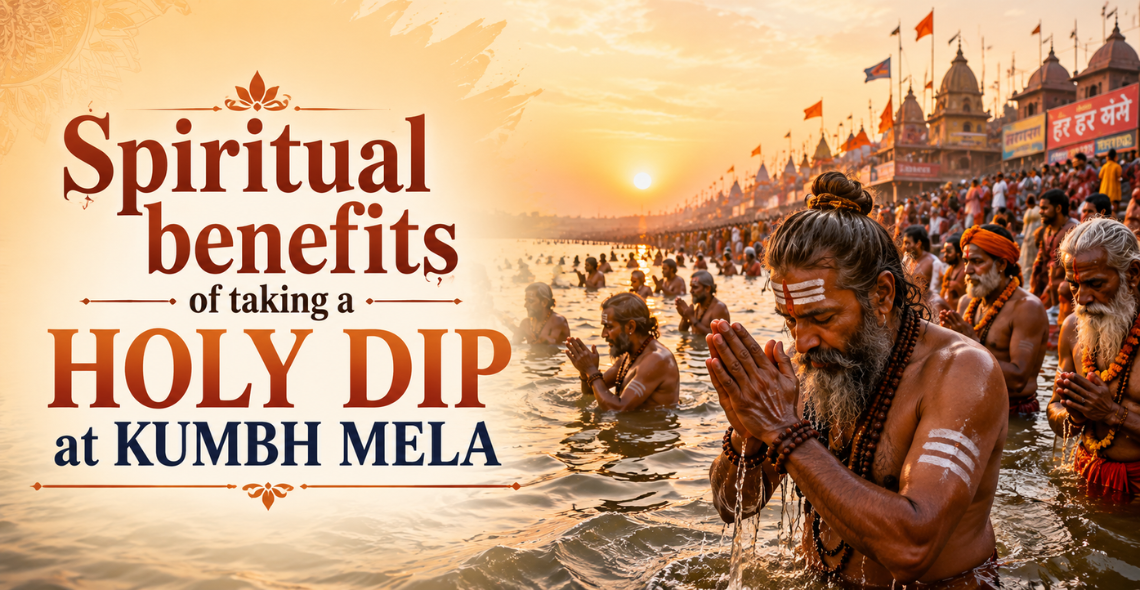
For millions of Hindus, taking a holy dip at Kumbh Mela is much more than a religious ritual. It is a deeply spiritual experience that brings together faith, devotion, and self-reflection. People travel from different parts of India, often after years of planning, to step into the sacred waters with the belief that this simple act can transform their spiritual journey. The sight of devotees gathering at the riverbanks, chanting prayers, and waiting patiently for their turn reflects the immense faith associated with this tradition.
The belief behind the sacred bath goes beyond physical cleansing. Devotees see it as an opportunity for spiritual purification, a chance to let go of negativity, seek forgiveness, and strengthen their connection with the divine. Many also believe that bathing in the holy waters during Kumbh Mela helps in the cleansing of sins and brings them closer to moksha, the ultimate goal of liberation in Hindu philosophy. This is one of the reasons why Kumbh Mela continues to attract millions of pilgrims generation after generation.
The significance of this tradition becomes even more powerful during events such as Nashik Kumbhmela 2027, where faith, spirituality, and centuries-old customs come together. In this article, we will explore the spiritual meaning behind the holy dip, its connection to spiritual rebirth, the concept of Kumbh Mela moksha, and why this sacred practice remains an important part of Hindu pilgrimage and cultural heritage.