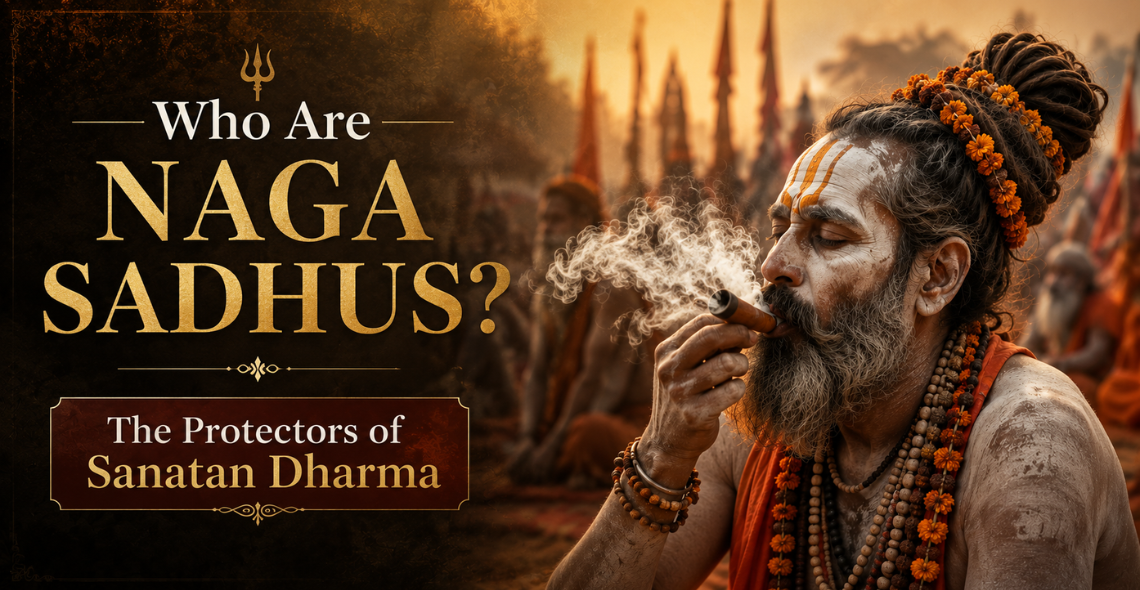
Among the many fascinating figures seen during the Kumbh Mela, few attract as much attention as the Naga Sadhus. Covered in sacred ash, carrying traditional weapons, and living a life far removed from worldly comforts, they often become the center of curiosity for pilgrims and visitors. Many people see them during the grand Shahi Snan processions and wonder who they are, why they live this way, and what role they play in Hindu traditions.
To understand who are Naga Sadhus, it is necessary to look beyond their appearance. Naga Sadhus are ascetic warriors who have dedicated their lives to spirituality, discipline, and the protection of Sanatan Dharma. They follow a path of complete renunciation, giving up family ties, material possessions, and personal ambitions in pursuit of spiritual awakening. Their traditions have been passed down through generations and continue to hold an important place in Hindu culture.
The presence of Naga Sadhus at Kumbh Mela is one of the most significant aspects of the festival. During the sacred bathing rituals, they lead the royal processions and are given the first right to take the holy dip. Millions of devotees gather to witness this extraordinary sight. With preparations already underway for Nashik Kumbh Mela 2027, many pilgrims are eager to learn more about these revered saints and their connection to one of the world's largest spiritual gatherings.
This article explores the history, traditions, lifestyle, and spiritual significance of Naga Sadhus. It also explains why they are often called the protectors of Sanatan Dharma and what visitors can expect when they encounter Naga Sadhus at Kumbh Mela.