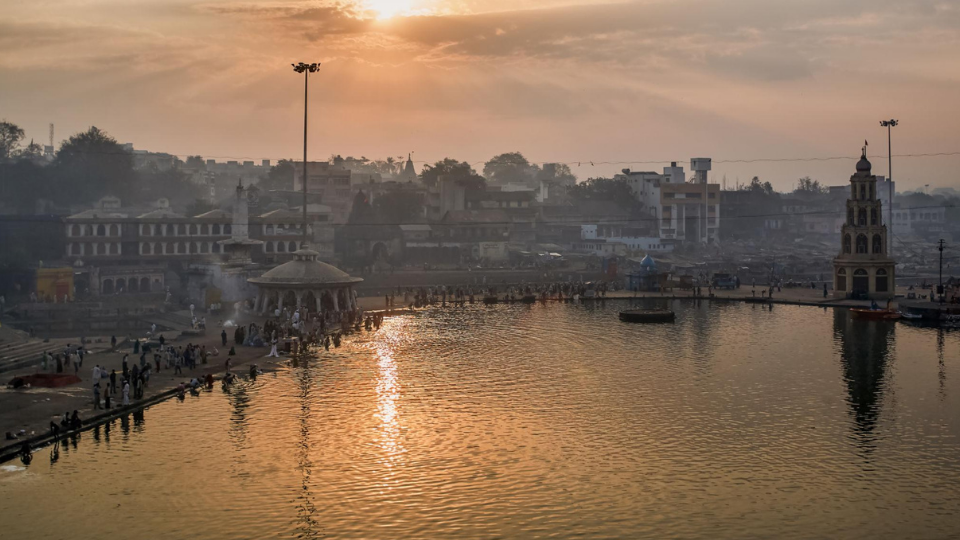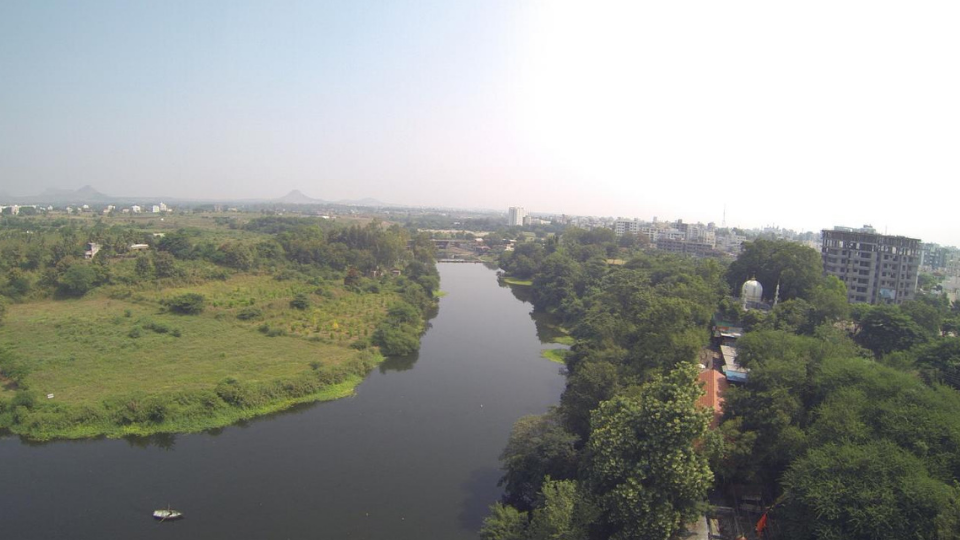
The Godavari River is one of the most revered rivers in India and holds a special place in Hindu beliefs and traditions. Flowing through several states and supporting millions of people, the river is much more than a source of water. For countless devotees, it is a sacred river that represents purity, faith, and spiritual connection. Every year, pilgrims travel long distances to take a holy dip in its waters, offer prayers on its banks, and participate in religious ceremonies that have been followed for generations.
Many people often ask, why is Godavari River sacred? The answer lies in a combination of mythology, ancient scriptures, and centuries of religious practices. The river is believed to have divine origins and is closely associated with sages, gods, and important events from Hindu tradition. Because of its spiritual significance, the Godavari River is often referred to as Dakshin Ganga, which means the "Ganga of the South." This title reflects the same respect and devotion that devotees show towards the River Ganga in northern India.
The importance of the Godavari River becomes even more visible during major religious gatherings such as Nashik Kumbh Mela 2027. Millions of pilgrims gather on its banks to perform sacred rituals and take part in one of the largest spiritual events in the world. In this article, we will explore the history, mythology, religious significance, and enduring importance of the Godavari River, and understand why it continues to be counted among the most sacred and holy rivers in India.